Landline Phone:
(413) 214-6541
Location:
15 Agawam Ave West Springfield, MA 01089
Mon - Fri:
8.00am - 4.00pm
Soil BTU & Calorific Value Analysis
Related Posts
Sterling Analytical provides specialized soil BTU and calorific value analysis for environmental engineers, waste-to-energy facility operators, and industrial remediation professionals. Understanding the thermal energy potential of soil and sediment is a critical component of modern waste management and energy recovery strategies. Whether you are evaluating soil for thermal desorption, characterizing contaminated “hot spots” for incineration, or assessing the viability of excavated material as a secondary fuel source, our laboratory delivers the precise thermochemical data required for operational success.
Through certified ASTM methodologies and high-precision bomb calorimetry, our soil BTU testing services quantify the British Thermal Units (BTUs) per pound, providing a clear picture of a material’s energy density. We generate defensible analytical data used to support thermal remediation system design, fuel blending for industrial kilns, and cost-benefit analyses for waste-to-energy projects. If you are searching for a soil testing laboratory near me capable of handling high-energy or contaminated matrices, Sterling Analytical offers the technical expertise and rapid turnaround times necessary to optimize your thermal processes.
The calorific value of soil is influenced by its organic carbon content, moisture levels, and the presence of combustible contaminants like petroleum hydrocarbons or coal fines. Without professional calorific analysis, thermal treatment facilities risk inefficient combustion, excessive fuel consumption, and equipment damage due to unexpected heat spikes. Our laboratory-based thermal analysis programs provide a detailed energy profile of your site, allowing for precise engineering calculations and robust environmental compliance.
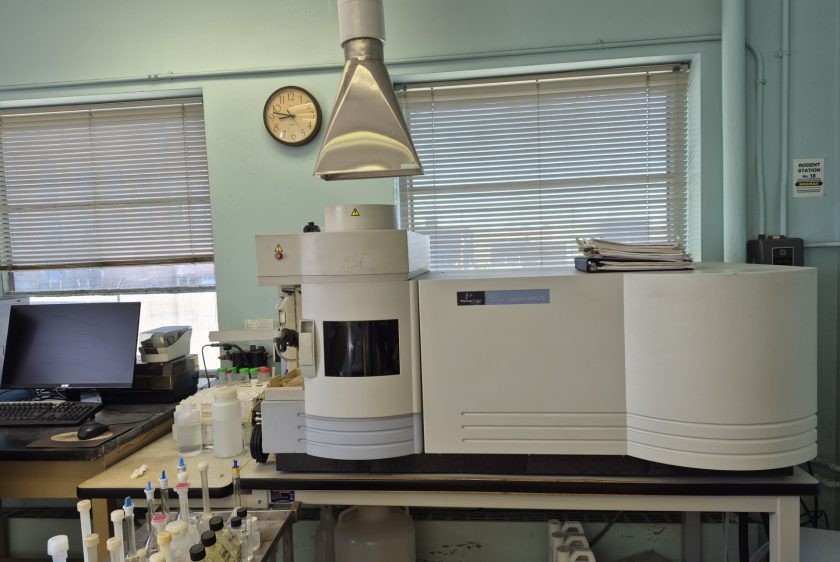
Soil BTU & Calorific Analysis Capabilities
Sterling Analytical utilizes a multi-disciplinary approach to thermal characterization, combining traditional calorimetry with proximate and ultimate analysis to provide a 360-degree view of the material’s combustion behavior.
Core Thermal Testing Package
The core package is designed to provide the fundamental energy metrics required by most thermal treatment and disposal facilities.
Gross Calorific Value (HHV) – ASTM D5865: Using an oxygen bomb calorimeter, we measure the total heat released during complete combustion. This "Higher Heating Value" (HHV) is the industry standard for characterizing the energy content of solid fuels and waste materials.
Net Calorific Value (LHV): We calculate the "Lower Heating Value" by accounting for the energy lost to water evaporation during combustion. This provides a more realistic estimate of the usable energy available in a real-world furnace or kiln.
Moisture Content – ASTM D2216: Moisture is the primary "energy thief" in thermal processes. High moisture levels significantly reduce the net BTU value, as energy is consumed to drive off water before combustion can occur.
Ash Content – ASTM D482: Measures the non-combustible inorganic residue remaining after ignition. High ash content reduces the overall energy density and can lead to "slagging" or "fouling" in thermal equipment.
Advanced Thermochemical Analysis
For complex remediation projects or high-value energy recovery, we provide expanded analytical suites to evaluate combustion chemistry and environmental impact.
Proximate Analysis: A four-part test that quantifies Moisture, Volatile Matter, Fixed Carbon, and Ash. This is essential for understanding how the soil will behave at different stages of the heating cycle.
Ultimate Analysis (CHNOPS):Determines the elemental composition of the soil, including Carbon, Hydrogen, Nitrogen, Oxygen, Phosphorus, and Sulfur. This data is critical for calculating theoretical air requirements and predicting flue gas emissions.
Sulfur Content – ASTM D4239: High sulfur levels in soil can lead to the formation of sulfur dioxide (SO2) during combustion, necessitating expensive air pollution control measures.
Halogen Analysis (Chlorine, Fluorine, Bromine): Essential for sites contaminated with chlorinated solvents or PCBs, as halogens can form corrosive acids and toxic dioxins during thermal treatment.
Ash Fusion Temperature: Determines the temperature at which the inorganic ash begins to soften and melt. This is vital for preventing the formation of "clinkers" that can clog grates and damage refractory linings.
Why BTU Analysis is Essential for Industry
The energy content of soil is a “hidden” variable that can make or break the economics of an environmental project.
1. Thermal Remediation Efficiency
In Low-Temperature Thermal Desorption (LTTD) or high-temperature incineration, the BTU value of the soil determines how much supplemental fuel (natural gas or propane) is required. Soil with a high natural BTU value—due to petroleum contamination or high organic matter—can actually become “self-sustaining” in a burner, drastically reducing operational costs.
2. Waste-to-Energy (WTE) Characterization
As landfills reach capacity, many municipalities are turning to WTE facilities. Soil-like materials, such as dried sewage sludge or river sediments, are often analyzed for their calorific value to determine if they can be blended into the fuel stream to generate electricity or steam.
3. Cost-Effective Waste Disposal
Many hazardous waste incinerators and cement kilns charge disposal fees based on the BTU content of the material. High-BTU soil may even be accepted at a lower rate because it provides a “fuel credit” to the facility. Conversely, low-BTU soil with high moisture may incur surcharges for the extra energy required to process it.
Compliance Overview
Soil BTU and calorific value testing must comply with rigorous safety and environmental standards. Our laboratory ensures all data meets the requirements of the EPA (Environmental Protection Agency) for waste characterization. Furthermore, we adhere to DOT (Department of Transportation) regulations regarding the classification and manifest of high-energy or “ignitable” waste materials for safe transport to thermal facilities.
Problems Identified
During routine BTU analysis, our laboratory frequently identifies:
Low Energy Density: Soil with excessive moisture or mineral content that is “energy-negative” to process.
High Sulfur/Chlorine Spikes: Contaminants that pose a risk of equipment corrosion and air permit violations.
Inconsistent Fuel Blends: Variations in BTU value that cause erratic burner performance in kilns.
Slagging Potential: Ash chemistry that leads to glass-like deposits on boiler tubes.
Who Needs Soil BTU & Calorific Analysis?
Remediation Contractors: Optimizing fuel consumption for on-site thermal desorption units.
Cement Kiln Operators: Evaluating contaminated soil as a secondary fuel source for clinker production.
Landfill Managers: Characterizing waste streams for potential energy recovery or incineration.
Environmental Consultants: Providing data for feasibility studies on brownfield cleanup options.
Biomass & Biofuel Producers: Testing the energy content of soil-rich organic feedstocks.
Hazardous Waste Transporters: Ensuring materials meet the BTU specifications of the receiving facility.
How to Submit a Soil BTU Sample
Consult with our Chemists: BTU testing requirements vary significantly depending on the end-use (e.g., incineration vs. fuel blending).
Collect a Representative Sample: Ensure the sample is a true composite of the material to be processed, as BTU values can vary widely across a site.
Airtight Packaging: Use glass jars with Teflon-lined lids to prevent the loss of volatile high-energy components.
Complete the Chain of Custody: Specify if you require Gross (HHV) or Net (LHV) values and any additional elemental analysis.
Ship to Our Laboratory: We provide specialized shipping containers for high-energy or contaminated samples to ensure safety and compliance.
Schedule Soil BTU & Calorific Value Analysis Today
Energy insights start below the surface. Without proper BTU and calorific value analysis, the energy potential of soil and waste materials can remain unknown, leading to inefficient resource utilization and missed opportunities.
Sterling Analytical delivers comprehensive laboratory-based BTU and calorific value testing to measure energy content, support waste-to-energy applications, and ensure regulatory compliance.
Frequently Asked Questions
In remediation, soil with >5,000 BTU/lb is often considered high-energy and may be suitable for fuel blending. Typical "clean" soil has a very low BTU value, often near zero.
Moisture is the biggest factor in energy loss. For every pound of water in the soil, approximately 1,000 BTUs are "wasted" just to turn that water into steam.
Yes. Our bomb calorimeters are equipped to handle liquid, semi-solid, and solid matrices, including oily sludges and harbor sediments.
Usually no, but it is almost always required if the material is being sent to an incinerator, thermal desorber, or cement kiln.
Quick Contact
If you have any questions or need help, feel free to contact with our team.
Send Us Email:
Call Us Today: