Landline Phone:
(413) 214-6541
Location:
15 Agawam Ave West Springfield, MA 01089
Mon - Fri:
8.00am - 4.00pm
Soil Contamination Testing Services
Related Posts
Sterling Analytical provides specialized soil contamination testing services for property developers, environmental consultants, industrial operators, and homeowners who require precise data on the chemical safety of their land. Whether you are conducting a Phase I Environmental Site Assessment (ESA), managing a brownfield redevelopment, or verifying the safety of a residential garden, our laboratory delivers the analytical rigor necessary to identify hazardous substances in the subsurface. Soil is a complex matrix that acts as a long-term reservoir for pollutants from historical industrial activity, agricultural runoff, and illegal dumping. Without professional soil contamination testing, these “legacy” pollutants can pose significant health risks, create massive financial liabilities, and stall construction projects indefinitely.
Through certified EPA and ASTM methodologies, our soil contamination testing services evaluate the presence of heavy metals, volatile organic compounds (VOCs), polychlorinated biphenyls (PCBs), and total petroleum hydrocarbons (TPH). We generate defensible analytical data used to support remediation strategies, waste characterization for disposal, and regulatory closure. If you are searching for a soil testing laboratory near me, Sterling Analytical offers the regional expertise and rapid turnaround times required to keep your project moving forward safely. Routine soil analysis is the only way to transform an “unknown” site into a shovel-ready asset.
Environmental pollutants in soil are often invisible, odorless, and tasteless, making them impossible to detect without sophisticated laboratory instrumentation. From arsenic in old orchards to lead in urban fill dirt, contamination can leach into groundwater or become airborne as dust during excavation. Our laboratory-based environmental soil testing programs provide a comprehensive chemical fingerprint of your site, allowing for informed decision-making and robust risk mitigation.
Soil Contamination Testing Capabilities
Sterling Analytical offers a multi-tiered approach to environmental analysis, ranging from basic screening for common pollutants to advanced forensic chemistry for complex industrial sites.
Basic Soil Contamination Testing Package
The basic package is designed for initial site characterization and residential safety checks. It targets the most common “red flag” contaminants found in urban and suburban environments.
RCRA 8 Heavy Metals – EPA Method 6010/7471: This analysis targets the eight elements regulated by the Resource Conservation and Recovery Act: Arsenic, Barium, Cadmium, Chromium, Lead, Mercury, Selenium, and Silver. Lead and Arsenic are the most frequently detected contaminants in residential and commercial soil testing.
Total Petroleum Hydrocarbons (TPH) – EPA Method 8015: Evaluates the presence of gasoline, diesel, and motor oil range organics. This is essential for sites with a history of underground storage tanks (USTs) or vehicle maintenance
Soil pH and Conductivity: While often seen as agricultural metrics, extreme pH levels can indicate chemical spills or the presence of industrial waste that may affect the mobility of other contaminants.
Cyanide Testing: Often required for sites near former manufactured gas plants (MGP) or industrial plating facilities.
Advanced Soil Contamination Testing Services
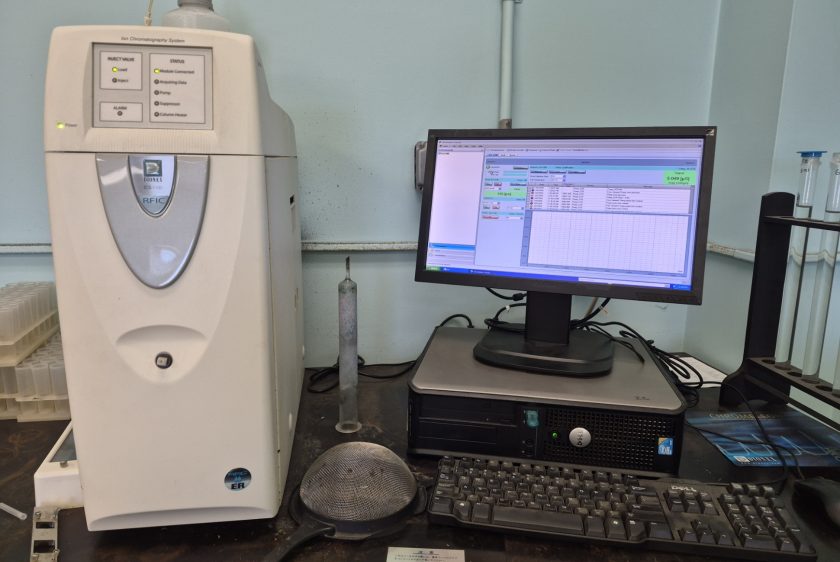
For industrial sites, hazardous waste characterization, or comprehensive environmental audits, we provide expanded analytical suites using Gas Chromatography and Mass Spectrometry (GC/MS).
Volatile Organic Compounds (VOCs) – EPA Method 8260: Detects solvents, degreasers, and fuel components like Benzene, Toluene, and Trichloroethylene (TCE). VOCs are highly mobile and pose a significant risk for vapor intrusion into buildings.
Semi-Volatile Organic Compounds (SVOCs) – EPA Method 8270: Includes Polycyclic Aromatic Hydrocarbons (PAHs), which are common byproducts of combustion and are frequently found in "black soot" or coal ash fill.
Polychlorinated Biphenyls (PCBs) – EPA Method 8082: PCBs were widely used in electrical transformers and hydraulic fluids. They are highly persistent in the environment and are subject to strict federal regulations under TSCA.
Organochlorine Pesticides & Herbicides – EPA Method 8081: Essential for converted agricultural land or golf courses where historical application of DDT, Chlordane, or Toxaphene may have occurred.
PFAS, PFOA, and PFOS (Forever Chemicals):We offer specialized testing for per- and polyfluoroalkyl substances, which are increasingly regulated due to their persistence and health impacts near airports, fire training areas, and industrial manufacturing zones.
Toxicity Characteristic Leaching Procedure (TCLP): A critical test for waste disposal, determining if a soil sample is legally classified as "hazardous waste" based on its potential to leach chemicals into a landfill environment.
Why Contamination Testing is Essential
The presence of contaminants in soil is not just an environmental concern; it is a significant legal and financial hurdle.
1. Health and Safety Risks
Contaminated soil can affect humans through three primary pathways: direct ingestion (common in children), dermal contact, and inhalation of dust or vapors. Lead, for example, is a potent neurotoxin, while VOCs like Benzene are known carcinogens. Soil contamination testing identifies these risks before they become a public health crisis.
2. Property Value and Liability
Under federal laws like CERCLA (Superfund), property owners can be held liable for cleanup costs even if they did not cause the contamination. A “clean” soil report is a vital component of due diligence during real estate transactions, protecting buyers from inheriting multi-million dollar remediation projects.
3. Construction and Development Delays
If contamination is discovered mid-excavation, the project can be shut down by local building departments or environmental agencies. Proactive testing allows developers to budget for soil management, such as on-site capping or off-site disposal at a licensed facility, preventing costly work stoppages.
Compliance Overview
Soil contamination testing must adhere to a complex web of regulations. Our laboratory ensures your data meets the requirements of the EPA (Environmental Protection Agency) for federal standards, as well as DOT (Department of Transportation) regulations for the manifest and transport of contaminated soils to disposal facilities. We also support compliance with state-level agencies (such as the DEP, DEC, or DTSC) and local municipal “Clean Fill” requirements for construction sites.
Problems Identified
During routine soil contamination testing, our laboratory frequently identifies:
Legacy Lead: From lead-based paint chips or historical leaded gasoline exhaust.
Petroleum Plumes: Leaking from forgotten heating oil tanks or old gas stations.
Pesticide Residue: Persistent chemicals in former orchards or farmsteads.
Vapor Intrusion Risks: High VOC levels that could migrate into future basements.
Hazardous Waste Levels: Soil that fails TCLP testing and requires expensive specialized disposal.
Who Needs Soil Contamination Testing?
Real Estate Developers: Verifying “Clean Fill” status and performing due diligence for new acquisitions.
Environmental Consultants: Gathering defensible data for Phase II Environmental Site Assessments.
Homeowners & Gardeners: Ensuring that backyard soil is safe for children and vegetable gardening, especially in older urban areas.
Lenders & Banks: Requiring environmental clearance before approving commercial mortgages or construction loans.
Industrial Facility Managers: Monitoring for leaks, spills, or compliance with hazardous waste permits.
Municipalities: Testing parks, schools, and public works sites for community safety.
How to Submit a Soil Contamination Sample
Request a Sampling Kit: We provide laboratory-grade glass jars (for VOCs/SVOCs) and plastic containers (for metals) to ensure no cross-contamination occurs during transport.
Collect Representative Samples: Using a clean stainless steel trowel, collect soil from various depths and locations (composite or discrete sampling) as required by your project scope.
Seal and Chill: VOC samples must be packed tightly to eliminate headspace and kept on ice (4°C) during transit to the lab.
Complete the Chain of Custody: Document the sample ID, date, time, and requested analysis.
Ship to Our Laboratory: Use our pre-paid shipping labels for fast, secure delivery to our analytical facility.
Schedule Soil Contamination Testing Today
Environmental safety starts below the surface. Without proper soil contamination testing, hidden pollutants can pose serious risks to ecosystems, groundwater, and human health.
Sterling Analytical delivers comprehensive laboratory-based soil contamination testing to detect harmful substances, assess environmental impact, and support regulatory compliance programs.
Frequently Asked Questions
Standard turnaround time is 5–7 business days, but we offer expedited "RUSH" services (24–48 hours) for critical construction deadlines or real estate closings.
A "Total" test measures the absolute concentration of a metal in the soil. A "TCLP" test simulates how much of that metal would leach out in a landfill, which determines if the soil is legally hazardous waste.
While we offer a "Full Suite" analysis, it is often more cost-effective to test for specific contaminants based on the historical use of the property (e.g., testing for TPH at a former gas station).
Yes, Sterling Analytical maintains national and state-level certifications (NELAP/AIHA) to ensure our data is legally defensible and accepted by regulatory agencies.
Quick Contact
If you have any questions or need help, feel free to contact with our team.
Send Us Email:
Call Us Today: