TCLP RCRA-8 Testing (ICP-OES) | EPA 1311 Metals Analysis Lab
TCLP RCRA-8 Testing for Hazardous Waste Classification
Landline Phone:
(413) 214-6541
Location:
15 Agawam Ave West Springfield, MA 01089
Mon - Fri:
8.00am - 4.00pm
Sterling Analytical provides certified TCLP RCRA-8 testing, delivering accurate and defensible data for hazardous waste classification using EPA-approved methodologies. For facilities generating industrial waste, sludges, or contaminated debris, determining whether a material is hazardous under RCRA is a critical step in managing cost, compliance, and liability.
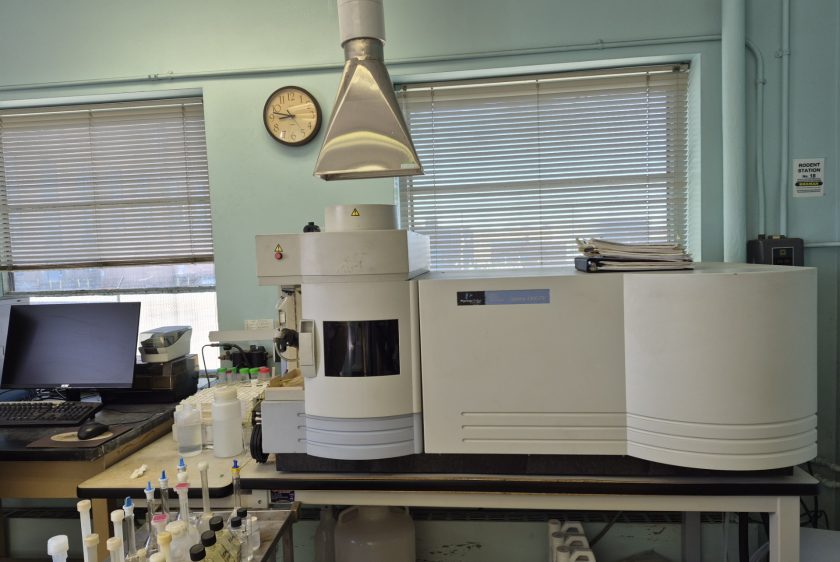
Using EPA Method 1311 (TCLP) combined with ICP-OES metals analysis (EPA Method 6010), we quantify the leachable concentration of regulated heavy metals. Our laboratory specializes in high-quality, cost-effective testing designed to meet regulatory requirements without unnecessary analytical complexity.
If you are searching for a TCLP testing laboratory near me or need reliable RCRA-8 metals analysis, Sterling Analytical provides fast turnaround times, expert interpretation, and compliance-ready reporting.
The Importance of TCLP Testing in Hazardous Waste Determination
The Toxicity Characteristic Leaching Procedure (TCLP) is designed to simulate how waste behaves in a landfill environment. Under acidic conditions, certain metals can leach out of solid materials and migrate into groundwater.
1. Hazardous Waste Classification (RCRA Compliance)
TCLP testing determines whether a waste exhibits the “Toxicity Characteristic” under RCRA. If the leachate concentration of any RCRA-8 metal exceeds EPA regulatory limits, the waste is classified as hazardous and assigned a D-code.
2. Cost Control and Disposal Planning
Accurate TCLP results prevent unnecessary hazardous waste designation, helping facilities avoid excessive disposal costs while maintaining full compliance.
3. Waste Characterization for Landfill Acceptance
Most disposal facilities require TCLP metals analysis before accepting waste streams. Our data ensures your material meets acceptance criteria and regulatory thresholds.
Our Core TCLP Analytical Capabilities (ICP-OES Focus)
Sterling Analytical utilizes EPA Method 1311 extraction followed by ICP-OES (EPA 6010) to provide precise and reliable metals data.
EPA 1311 TCLP Extraction
- We simulate landfill leaching conditions through: Acidic extraction fluid selection (pH ~2.9 or 4.9)
24-hour tumbling procedure
Controlled liquid-to-solid ratio (10g:200ml)
Filtration to isolate leachate
This process produces a representative extract for metals analysis
RCRA-8 Metals Analysis via ICP-OES (EPA 6010)
Our laboratory quantifies the eight regulated metals:
Arsenic (As)
Barium (Ba)
Cadmium (Cd)
Chromium (Cr)
Lead (Pb)
Mercury (Hg)
Selenium (Se)
Silver (Ag)
Why ICP-OES?
- ICP-OES provides: Reliable detection at regulatory thresholds
- High-throughput analysis for faster turnaround
- Cost-effective testing without sacrificing accuracy
- Proven compliance with EPA Method 6010
EPA Regulatory Limits for TCLP RCRA-8 Metals
- Arsenic: 5.0 mg/L
- Barium: 100.0 mg/L
- Cadmium: 1.0 mg/L
- Chromium: 5.0 mg/L
- Lead: 5.0 mg/L
- Mercury: 0.2 mg/L
- Selenium: 1.0 mg/L
- Silver: 5.0 mg/L
Exceeding any of these limits classifies the waste as hazardous.
Common Applications for TCLP Testing
Industrial Waste Streams: Plating sludges, baghouse dust, and process residues
Construction & Demolition Materials:Concrete, painted debris, roofing materials
Environmental Remediation:Contaminated soils, sediments, and site cleanup waste
Manufacturing Byproducts:Ash, filter cakes, and chemical process waste;
Sterling Analytical delivers precise TCLP RCRA-8 testing using proven ICP-OES methods, helping you classify waste confidently, reduce disposal costs, and maintain full regulatory compliance.
Take the next step with our TCLP testing laboratory services:
Quick Contact
If you have any questions or need help, feel free to contact with our team.
Send Us Email:
Call Us Today: