Landline Phone:
(413) 214-6541
Location:
15 Agawam Ave West Springfield, MA 01089
Mon - Fri:
8.00am - 4.00pm

Diesel Fuel Contamination Testing
Related Posts
Sterling Analytical provides professional diesel fuel contamination testing to identify, quantify, and diagnose fuel quality issues that impact equipment reliability and operational performance. Diesel fuel contamination is one of the leading causes of engine failure, injector damage, filter plugging, corrosion, and unplanned downtime. Our laboratory delivers ASTM-based analytical testing to detect water intrusion, microbial growth, sediment accumulation, chemical degradation, and cross-contamination.
Fuel contamination can develop in storage tanks, transport vehicles, dispensing systems, and onboard equipment. Without structured diesel fuel contamination testing, these problems often remain undetected until equipment performance declines or failure occurs. Our laboratory programs provide defensible analytical data that supports troubleshooting, warranty investigations, insurance documentation, and corrective maintenance planning.
Unlike field screening kits, laboratory-based diesel fuel contamination testing uses precision instrumentation and standardized methodologies to accurately measure contamination levels and identify root causes. This approach allows facility managers, fleet operators, and maintenance professionals to resolve fuel-related issues before they escalate into major mechanical failures.
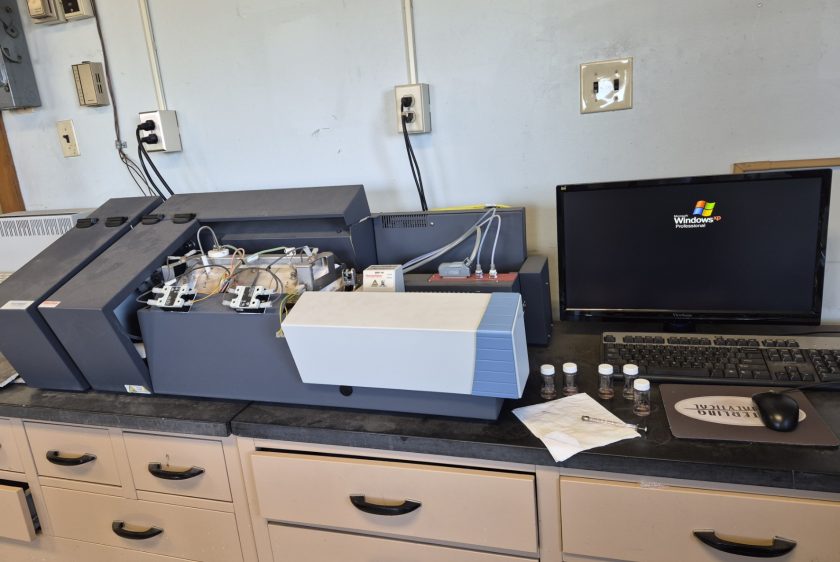
Diesel Fuel Contamination Testing Capabilities
Sterling Analytical offers both a Basic Diesel Fuel Contamination Testing Package and advanced diagnostic services to comprehensively evaluate contamination sources and severity.
Basic Diesel Fuel Contamination Testing Package
This core package determines whether diesel fuel has been exposed to harmful contaminants affecting engine and system performance.
Clear and Bright – ASTM D4176: Visual inspection identifies haze, free water, suspended solids, and instability. Appearance changes often indicate active contamination.
Water and Sediment – ASTM D2709:This centrifuge method quantifies free water and suspended solids. Water contamination is a primary cause of corrosion, microbial growth, and injector damage.
Water by Karl Fischer – ASTM D6304: Karl Fischer titration measures dissolved water content not visible during visual inspection. Even low concentrations can promote internal corrosion and fuel degradation.
Flash Point – ASTM D93:Flash point analysis identifies contamination by volatile hydrocarbons such as gasoline or solvents that may compromise safety and engine performance.
Microbial Growth – ASTM D6469: Microbial screening detects bacteria and fungi commonly responsible for sludge formation, acidic byproducts, and fuel system corrosion.
Particulate Contamination – ASTM D2276: Gravimetric filtration measures insoluble particulate matter that may clog filters and restrict fuel flow.
Advanced Diesel Fuel Contamination Testing
When contamination is suspected or equipment failure has occurred, advanced analysis helps determine severity and root cause.
Distillation – ASTM D86: Characterizes the hydrocarbon profile to identify cross-contamination or blending irregularities.
API Gravity – ASTM D1298: Density measurement may reveal fuel dilution or contamination with foreign materials.
Elemental Metals – ICP-OES: Elemental analysis identifies trace metals such as iron, copper, aluminum, and sodium that may indicate corrosion, wear, or external contamination.
Sulfur – ASTM D5453:Verifies sulfur levels and detects possible off-spec fuel substitution.
Ash Content – ASTM D482:Elevated ash may indicate inorganic contamination contributing to combustion deposits.
Viscosity – ASTM D445: Changes in viscosity may signal chemical breakdown or dilution.
Carbon Residue – ASTM D524: Evaluates deposit-forming tendencies associated with degraded or contaminated fuel.
Together, these analyses form a comprehensive diesel fuel contamination testing program designed to diagnose contamination events and guide corrective action.
Common Diesel Fuel Contamination Issues Identified
During diesel fuel contamination testing, our laboratory frequently detects:
- Free water contamination
- Dissolved moisture accumulation
- Microbial growth (bacteria and fungi)
- Sludge formation
- Sediment and rust particles
- Cross-contamination with gasoline
- Oxidative fuel degradation
- Metal particulates from corrosion
These contaminants often develop gradually and may not be visible during routine inspection. Early detection through laboratory diesel fuel contamination testing significantly reduces equipment repair costs and operational disruption.
Causes of Diesel Fuel Contamination
Understanding contamination sources is essential for prevention. Common causes include:
- Condensation inside storage tanks
- Poor tank housekeeping practices
- Compromised seals or vents
- Fuel transfer system contamination
- Inadequate filtration
- Long-term storage without monitoring
- Introduction of incompatible fuels
Routine diesel fuel contamination testing provides the data needed to identify and correct these root causes.
Who Needs Diesel Fuel Contamination Testing?
Diesel fuel contamination testing is critical for organizations experiencing equipment performance issues or managing high-value fuel assets.
- Fleet Operators
Commercial fleets rely on clean diesel to protect injectors, pumps, and emission systems. Contaminated fuel can lead to costly downtime and repairs.
- Industrial & Manufacturing Facilities
Equipment powered by diesel engines is vulnerable to contamination-related failure. Routine diesel fuel contamination testing helps identify risks before production is disrupted.
- Fuel Distributors
Suppliers use testing to investigate customer complaints and verify fuel integrity during transport and storage.
- Agricultural Operations
Seasonal equipment often sits idle for extended periods, increasing the risk of microbial growth and water contamination.
- Equipment Service & Maintenance Providers
Maintenance contractors rely on laboratory diesel fuel contamination testing to support root-cause analysis during failure investigations.
How to Submit a Sample for Diesel Fuel Contamination Testing
Submitting a sample is simple:
- Download the Chain of Custody Form
- Collect a representative fuel sample from the affected system
- Label and package according to instructions
- Ship to our laboratory
- Receive detailed contamination analysis and interpretation
Our technical team provides sampling guidance to ensure accurate results and effective diagnostics.
Diesel Fuel Contamination Testing Near You
If you are searching for:
- Diesel fuel contamination testing near me
- Diesel fuel contamination analysis
- Fuel contamination laboratory testing
- Diesel fuel diagnostic testing services
Sterling Analytical provides fast turnaround times and precise laboratory reporting to support clients nationwide.
Schedule Diesel Fuel Contamination Testing Today
Fuel contamination can quietly damage equipment long before visible symptoms appear. Without professional diesel fuel contamination testing, water, microbes, and sediment can compromise performance and increase repair costs.
Sterling Analytical delivers comprehensive laboratory-based diesel fuel contamination testing to identify contamination, support failure investigations, and protect diesel-powered systems.
Frequently Asked Questions
Sometimes. While you can see "slugs" of water or thick microbial slime, the most dangerous contaminants—like dissolved water and microscopic particulates—are often invisible to the naked eye.
Most water enters through "tank breathing." As temperatures change, air is drawn into the tank, and the moisture in that air condenses on the cool tank walls, eventually settling at the bottom.
They are microscopic organisms (bacteria and fungi) that live in the water at the bottom of a tank and feed on the diesel fuel. They create a thick, jelly-like substance that is a major cause of filter plugging.
A biocide will kill the microbes, but it will not remove the dead biomass or the water they lived in. After using a biocide, you still need to filter (polish) the fuel to remove the "dead" contamination.

Quick Contact
If you have any questions or need help, feel free to contact with our team.
Send Us Email:
Call Us Today: